Best Sport Silicone Apple Watch Band: Fit, Care & Sizing
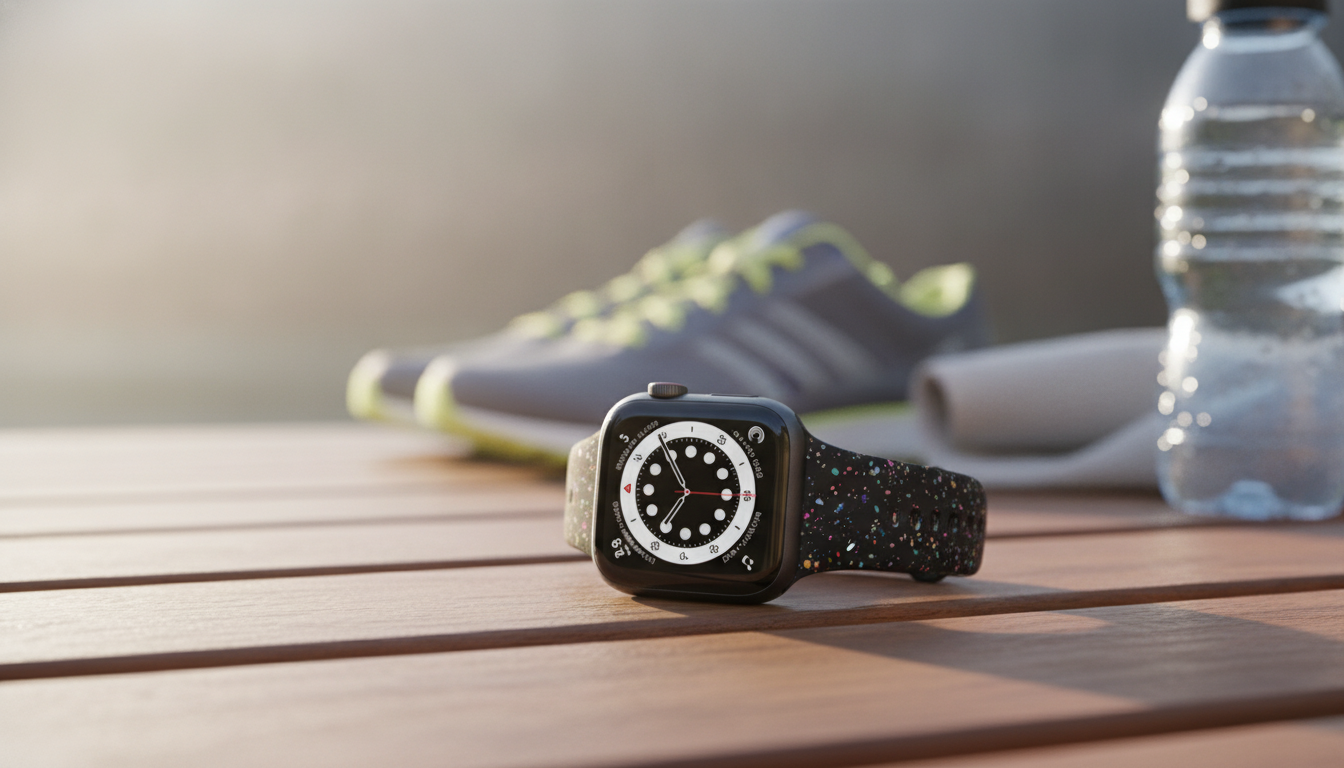
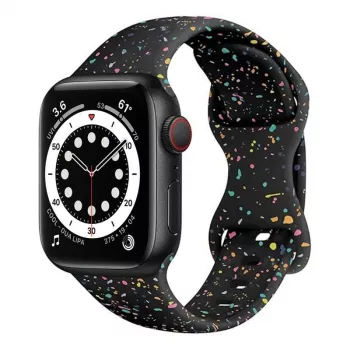
Sport Silicone Band for Apple Watch – Soft, Durable Strap for All Sizes
A sport silicone band can make an Apple Watch feel lighter, stay put during movement, and handle sweat and water without fuss. This guide breaks down what matters most—comfort, durability, sizing, and everyday care—so it’s easy to pick the right fit and use it confidently from workouts to daily wear.
If you’re ready to swap bands, start with the Sport Silicone Band for Apple Watch – Soft, Durable Strap for All Sizes for an easy, gym-to-errands option. For dressier moments, keep a second band like the Premium Handmade Leather Strap for Apple Watch 38mm-49mm on hand so switching takes seconds, not a full outfit rethink.
What Makes a Sport Silicone Band a Reliable Everyday Choice
- Soft-touch comfort: Silicone has a smooth, flexible feel that stays comfortable during long wear, including sleep tracking and all-day notifications.
- Water- and sweat-friendly: It’s built for workouts, commutes, and quick rinses after outdoor activities, so you’re not babying your band.
- Flexible movement: A silicone strap moves with the wrist to reduce pinching when typing, lifting, or cycling.
- Simple upkeep: The surface is easy to wipe clean, helping the band look fresh with minimal maintenance.
Comfort and Fit: How It Should Feel on the Wrist
A good sport band fit is secure without feeling restrictive. The watch should stay in place when you swing your arms, but it shouldn’t leave deep marks or cause tingling.
- Daily fit check: Aim for a secure fit that doesn’t slide, while still allowing a finger to slip under the band for comfort.
- Workout adjustment: For workouts, a slightly snugger setting can improve sensor contact for heart-rate readings, especially during intervals or strength training.
- Desk work and warm weather: Loosening by one notch can reduce pressure and improve airflow (particularly helpful if your wrist swells during heat or long computer sessions).
- Watch for hot spots: Redness, numbness, or an imprint that lasts a long time can indicate overtightening or trapped moisture.
Small changes matter: one notch can be the difference between “secure” and “annoying.” If you regularly switch between workouts and office time, it’s normal to adjust the fit once or twice a day.
Sizing and Compatibility Guide (All Case Sizes)
Apple Watch bands typically fit by case-size groups. Matching the correct group helps the connectors seat cleanly and lock the way they should.
- Match the case-size group: Apple Watch bands typically fit by case-size groups; matching the correct group helps the lugs seat cleanly.
- Upgrading your watch: If upgrading watches, confirm whether the new case size stays within the same band group.
- Listen for the click: A properly matched band should slide in smoothly and click into place without forcing it.
- Never wear it half-locked: If the connector feels loose or doesn’t lock, remove it and reseat—never wear it partially engaged.
Apple Watch case-size groups and common compatibility
| Watch case size | Band group that typically fits | Notes for a secure fit |
|---|---|---|
| 38mm / 40mm / 41mm | Small-case group | Often interchangeable within this group; confirm the connector sits flush |
| 42mm / 44mm / 45mm | Large-case group | Most sport bands labeled for 44/45mm also fit 42mm models in this group |
| 49mm (Ultra) | Large-case group (Ultra-compatible) | Confirm the listing states 49mm compatibility and ensure the lock clicks firmly |
For step-by-step visuals on attaching and removing bands, Apple’s guide is a helpful reference: Apple Support: Change your Apple Watch band.
Durability for Training, Travel, and Daily Wear
Silicone bands are a practical choice if your day includes movement, weather changes, or frequent handwashing. They’re designed to handle moisture and dry quickly, which is especially useful when you’re switching from indoor to outdoor environments.
- Silicone bands are well-suited for frequent exposure to sweat, rain, and handwashing.
- Look for consistent thickness and a sturdy buckle/pin area to reduce stretching over time.
- For gym use, rinse after heavy sweat to minimize odor buildup and residue.
- Rotate between two bands when possible to extend lifespan and keep each band cleaner.
A simple “two-band rotation” works well: keep a silicone band for training and weekends, and use a leather strap for work or events. That way, each band gets less wear, stays cleaner, and feels more purpose-built.
Care and Cleaning (Quick Routine That Helps the Band Last)
Most silicone band issues—odor, dullness, residue, and skin irritation—come down to trapped sweat or product buildup (think sunscreen and lotion). A quick routine keeps the band comfortable and looking new.
Apple also shares cleaning best practices that apply to bands and the watch itself: Apple Support: Clean and dry your Apple Watch.
Style Pairing: When to Choose Silicone vs. Leather
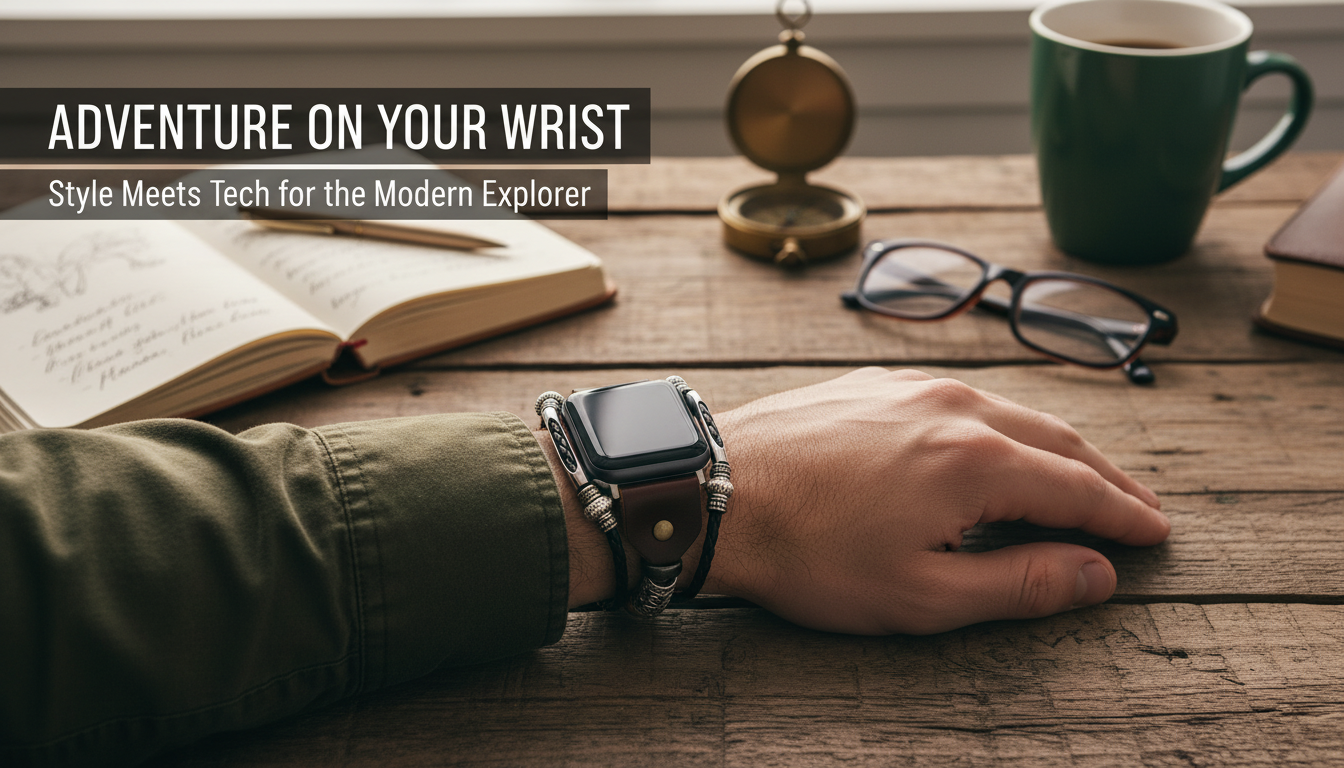
If you want a practical two-band setup, pair the Sport Silicone Band for Apple Watch – Soft, Durable Strap for All Sizes with the Premium Handmade Leather Strap for Apple Watch 38mm-49mm and swap based on the day’s plan.
FAQ
Will a silicone sport band work for swimming or showering?
Silicone sport bands generally handle water well. After swimming (especially in chlorine or salt water), rinse the band and dry both the band and your wrist to help prevent residue buildup and skin irritation.
How tight should an Apple Watch sport band be for accurate heart-rate readings?
During workouts, wear it snug but not restrictive so the sensor maintains consistent contact without cutting off circulation. For daily wear, loosening it slightly improves comfort and airflow while still keeping the watch stable.
How do you clean a silicone Apple Watch band without damaging it?
Use mild soap, water, and a soft cloth, then rinse thoroughly and dry completely before reattaching. Avoid bleach, solvents, or abrasive cleaners that can dull the finish or weaken the material over time.







Leave a comment