Using Apple AirTags for Pets: What Works and What Doesn’t
Can Apple AirTags Be Used on Pets?
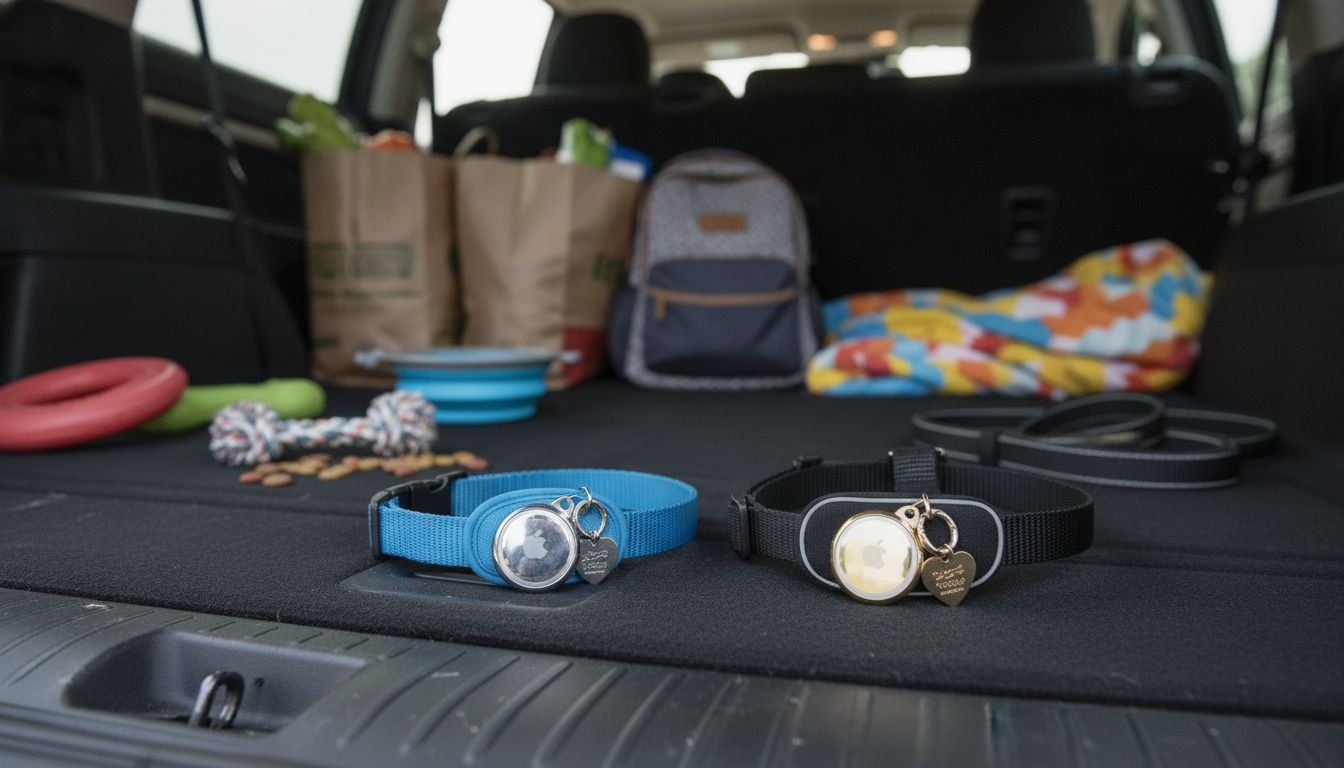
Yes—Apple AirTags can be used on pets, and many pet owners attach them to a collar to help locate a dog or cat if they wander off. AirTags work by sending out a Bluetooth signal that nearby Apple devices can detect, updating the tag’s location in the Find My network. That means they tend to be most helpful in areas where iPhones and other Apple devices are commonly nearby.
How AirTags Work for Pet Tracking
An AirTag isn’t a GPS tracker, so it doesn’t continuously broadcast your pet’s real-time location on its own. Instead, it relies on nearby Apple devices to anonymously relay its position. If your pet gets lost in a neighborhood, park, or city where other people carry iPhones, an AirTag can provide useful location pings. In more remote areas with few Apple devices around, updates may be limited or delayed.
Safety and Practical Considerations
AirTags are small and lightweight, but they’re not designed specifically for animals. Use a secure, pet-safe holder made for collars and check it regularly for wear. Avoid attaching an AirTag to a breakaway collar that might detach easily outdoors, and make sure the tag isn’t dangling where it could snag. Also keep the tag out of reach of pets that chew—small items can be a choking hazard if swallowed.
When an AirTag Is a Good Fit (and When It Isn’t)
AirTags can be a budget-friendly “backup locator” for pets that mostly stay around populated areas. They’re less ideal as a primary solution for escape-prone pets, travel, hiking, or situations where you need live tracking and geofencing alerts. For those needs, a dedicated GPS pet tracker with a subscription is often more reliable.
For a deeper breakdown of pros, limitations, and setup tips, read the full guide here: https://joyfulfindstrove.shop/can-apple-airtags-be-used-on-pets/.
FAQ
Do AirTags work without an iPhone nearby?
They can still update location if other Apple devices are nearby to detect the tag, but your own iPhone doesn’t have to be close. Without nearby Apple devices, the AirTag may not report a fresh location.











Leave a comment